Source Shock Resistant Gypsum Powder for Construction
Find 30 shock resistant gypsum powder options with varying whiteness, strength, and mesh fineness. Compare casting and drying methods, packaging types, and technical specs like compressive strength and fluidity to select the right material for your project needs; compare the available evidence and request quotations based on your requirements.
Key considerations
Products List


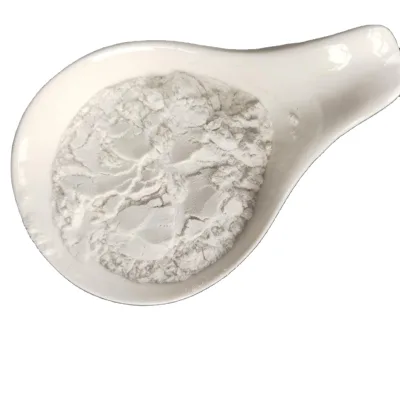
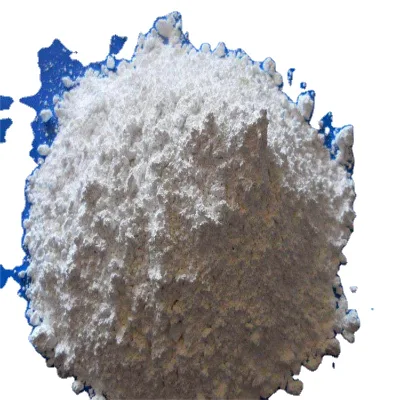
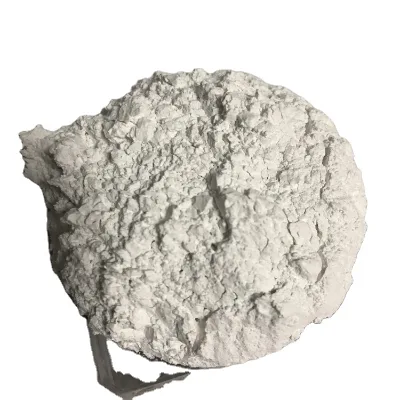
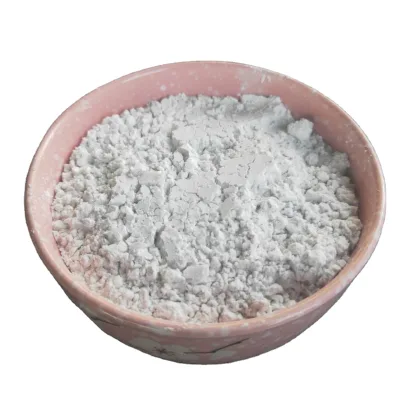


Comprehensive Sourcing Guide
Shock Resistant Gypsum Powder Sourcing Guide
Buyers must first distinguish between standard gypsum powder and specialized formulations designed for impact resistance, as the supplied data indicates a mix of general construction materials and specific admixtures. While some listings highlight high compressive strength exceeding 40MPa, others focus on fluidity and setting times, suggesting that shock resistance is often a result of specific additives rather than the base powder alone. Procurement teams should verify if the "shock resistant" claim refers to the final cured product's flexural strength or the raw material's ability to accept reinforcing agents without bubbling.
The observed product range includes items with varying whiteness levels from 32.7% to 95%, which may correlate with purity and the presence of specific hardening accelerators. Sourcing decisions should prioritize products explicitly listing advantages like "No Bubbles" or high usage frequency, as these traits often indicate a formulation stability required for high-stress applications. Buyers should not assume all listed gypsum powders possess identical mechanical properties and must request specific test data for flexural strength to confirm shock resistance capabilities.
Product Scope and Observed Listing Signals
The market listings reveal a diverse scope ranging from basic casting-grade powders to complex film-forming matter and hardening accelerating admixtures. Some products are defined by their physical form, such as powders with a 200 mesh fineness, while others are characterized by their chemical composition, including specific hydroxypropyl and methoxyl content percentages. This variation implies that shock-resistant performance is frequently achieved through the integration of these chemical components rather than the gypsum base alone.
Procurement signals also include specific packaging formats like ton bags or 25kg plastic bags, which can influence logistics costs and material handling requirements. The presence of models with distinct standard dimensions, such as 47X32X10 cm, suggests that some offerings may be pre-mixed or packaged for specific application methods like spray application. Buyers should carefully map these product attributes to their specific project needs, ensuring that the observed packaging and physical form align with their on-site processing capabilities.
Technical Specifications to Verify
Verification of mechanical properties is critical, as the data shows significant variance in compressive strength and flexural strength across different product models. Buyers must specifically request documentation confirming flexural strength values, as one listing notes 8.5MPa while others emphasize high compressive strength above 40MPa. These metrics are essential for determining whether a specific gypsum powder can withstand the dynamic loads associated with shock-resistant applications without cracking or failing.
Setting time and fluidity are equally vital parameters that dictate the workability and final structural integrity of the material. Listings indicate initial set times ranging from 10 to 12 minutes and fluidity values exceeding 18 cm, which directly impact the casting process and the uniformity of the final product. Procurement teams should verify the water and powder ratio, as a 30/100 ratio is observed in some contexts, to ensure the mix design supports the desired shock resistance without compromising the setting characteristics.
Compliance and Safety Documentation
Safety and regulatory compliance are paramount when sourcing industrial construction materials, particularly those involving chemical admixtures and film-forming agents. The available data references certifications such as ISO, CCC, and RoHS, which serve as indicators of adherence to international safety and environmental standards. Buyers should confirm that the specific batch of gypsum powder or admixture carries valid certification documents that match the product model and intended application.
Environmental and health safety documentation must also address the handling of powders and chemical components like hydroxypropyl and methoxyl derivatives. While some listings mention a drying method and specific formation mechanisms, the safety data sheets should explicitly detail the risks associated with dust inhalation and chemical exposure during the mixing process. Ensuring that the supplier provides comprehensive safety documentation is a prerequisite for maintaining a safe working environment and meeting regulatory requirements.
Cost Drivers and Commercial Terms
The price range observed in the market spans from $0.21 to $3700, reflecting the vast difference between raw material costs and finished, specialized formulations. This wide variance suggests that cost is heavily influenced by the level of customization, the inclusion of specific hardening accelerators, and the complexity of the production process. Buyers should analyze whether the higher price points correspond to verified performance metrics like high whiteness or superior mechanical strength rather than just branding.
Minimum Order Quantities (MOQ) vary significantly from 1 unit to 300,000 units, creating a barrier to entry for small-scale projects while offering economies of scale for large industrial contracts. The observed packing methods, ranging from individual bags to palletized ton bags, also impact the total landed cost through shipping and handling fees. Procurement strategies should balance the MOQ requirements with the specific project timeline to optimize cash flow and inventory management without overstocking specialized materials.
Supplier Qualification and Quality Control
Supplier qualification should focus on the ability to consistently deliver materials that meet the specific technical requirements for shock resistance and setting times. The presence of multiple product models with distinct specifications, such as different whiteness percentages and mesh sizes, indicates that suppliers must have robust quality control systems to manage this variety. Buyers should audit the supplier's production processes, particularly the casting and drying methods, to ensure consistency in the final product attributes.
Quality control protocols must include regular testing of key performance indicators like compressive strength, flexural strength, and fluidity to prevent batch-to-batch variability. The observation of specific advantages like "No Bubbles" and "No Defoaming Agent" suggests that suppliers should have strict process controls to maintain these qualities. Establishing a clear quality agreement that defines acceptable ranges for these parameters is essential for maintaining the structural integrity of the final construction application.
Long-Term Procurement Checks
Long-term procurement success relies on monitoring the stability of the supply chain and the consistency of product performance over time. Buyers should track the lead times and delivery reliability, as the observed MOQs and packing methods can affect the ability to maintain a steady supply for continuous projects. Regular reviews of supplier performance against the agreed technical specifications will help identify any drift in product quality that could compromise the shock-resistant properties of the material.
It is also crucial to verify that the supplier maintains their certifications and continues to meet the evolving standards of the construction industry. The dynamic nature of construction materials means that specifications like the water and powder ratio or setting times may need adjustment based on new project requirements. Establishing a feedback loop with the supplier to discuss performance data and potential improvements ensures that the procurement strategy remains aligned with the long-term goals of the project.
FAQs
What is the main material composition of this gypsum powder?
The primary material is gypsum powder, processed via casting to ensure structural integrity. This composition supports high water absorption rates and frequent usage in construction applications. The product is available in white color with varying whiteness levels, ensuring consistent quality for diverse building projects and industrial requirements.
How does the compressive strength of this gypsum powder perform?
The gypsum powder exhibits a compressive strength of more than 40MPa, ensuring durability in structural applications. This high strength is complemented by a flexural strength of 8.5MPa, making it suitable for demanding construction environments. These mechanical properties are achieved through precise processing and high-quality raw material selection.
What certifications are available for this gypsum powder product?
The product holds ISOCCC, RoHS, and ISOColor certifications, ensuring compliance with international standards. These certifications verify the material's safety and quality for global markets. The white color and high whiteness percentages further support its suitability for applications requiring strict aesthetic and regulatory adherence in construction and industrial sectors.
Can this gypsum powder be customized for specific projects?
Yes, customization is available to meet specific project requirements. Buyers can select from various models and specifications, including different whiteness levels and packing options like bags or pallets. This flexibility allows for tailored solutions in construction, ensuring the product aligns precisely with technical and logistical needs of diverse applications.
What is the typical packaging format for this gypsum powder?
The product is packaged in bags or on pallets, with specific options like 25kg plastic bags inside PE bags. Some models use ton bags for bulk handling. This versatile packaging ensures safe transport and storage, accommodating both small-scale and large-volume industrial needs while maintaining product integrity during shipping and handling processes.
What is the origin and processing method of this gypsum powder?
The gypsum powder originates from China and is processed using casting techniques. This method ensures consistent quality and structural properties. The product is available in modern designs with high water absorption rates, making it ideal for various construction applications. The processing method supports efficient production and reliable performance in diverse building environments.